Lesson 11 of 11 · 04:50:54 → 05:18:21
Code as a Throwaway Artifact
Natural-language contracts, video-as-requirements, and living guardrails.
What you'll learn
- Write natural-language contracts and use video as requirements
- Treat code as a throwaway artifact behind a state machine + modules
- Maintain living guardrails (agents.md) and become the bifurcated engineer
In a nutshell
Natural-language contracts, video-as-requirements, and living guardrails.
A richer, curated recap and references for this lesson are being prepared.
Key concepts
Natural-Language Contracts
Video-as-Requirements
Code as a Throwaway Artifact
Complexity Management Strategy (State Machine + Module)
Living Guardrails (agents.md)
The Bifurcated Engineer
Make it stick
Interactive exercises, a quiz, and hands-on challenges for this lesson are being prepared.
Moments worth pausing on
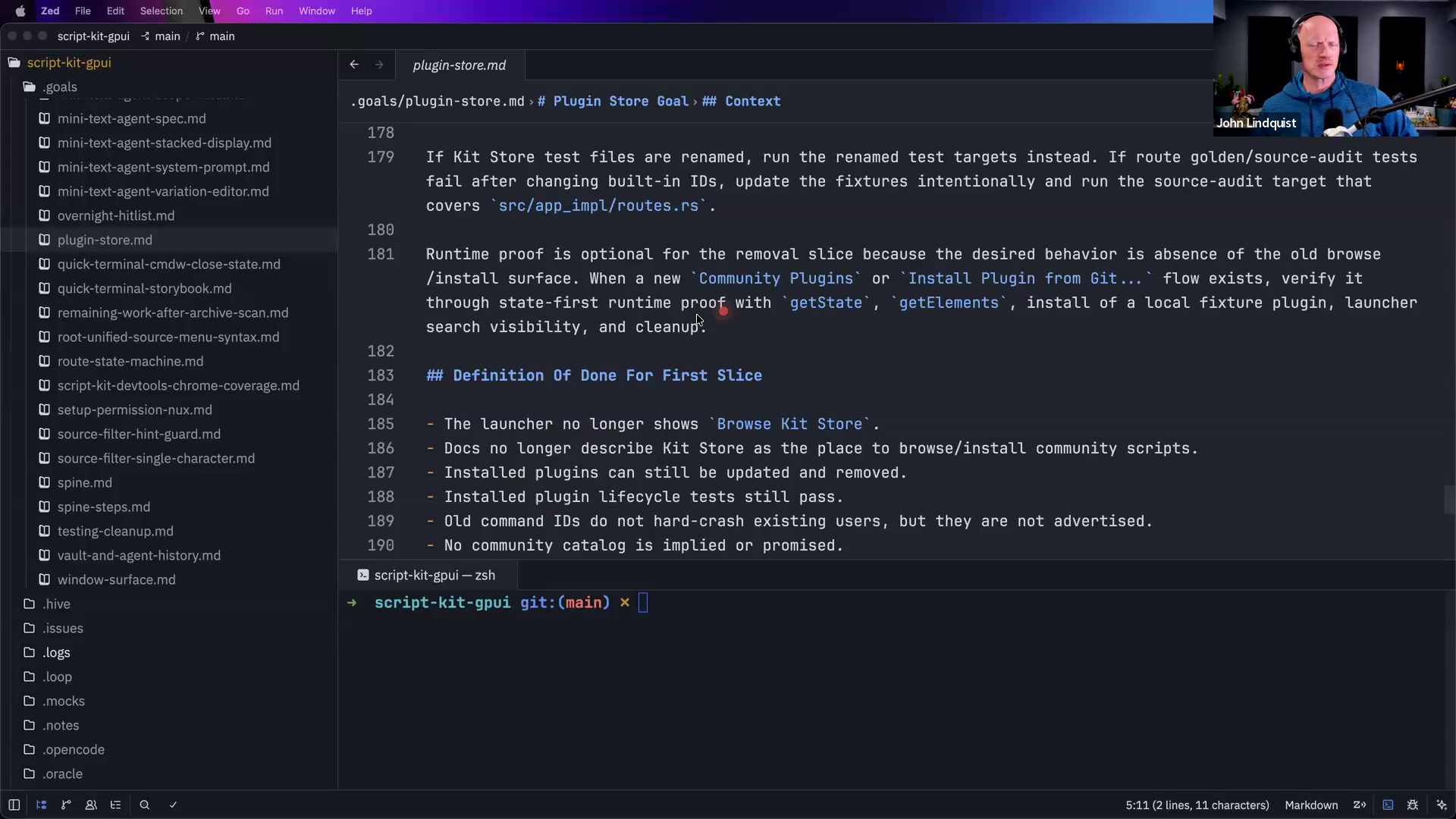
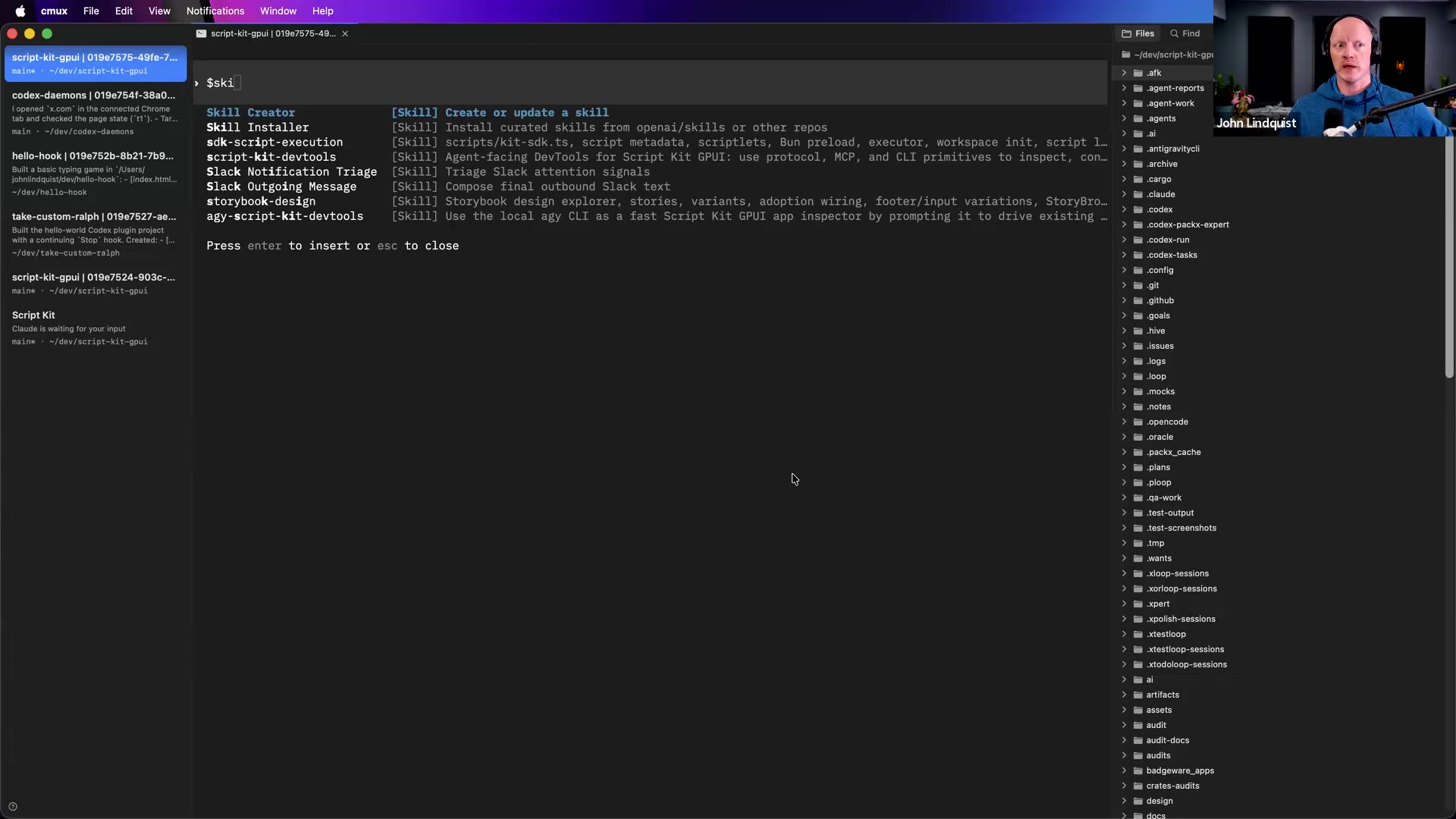
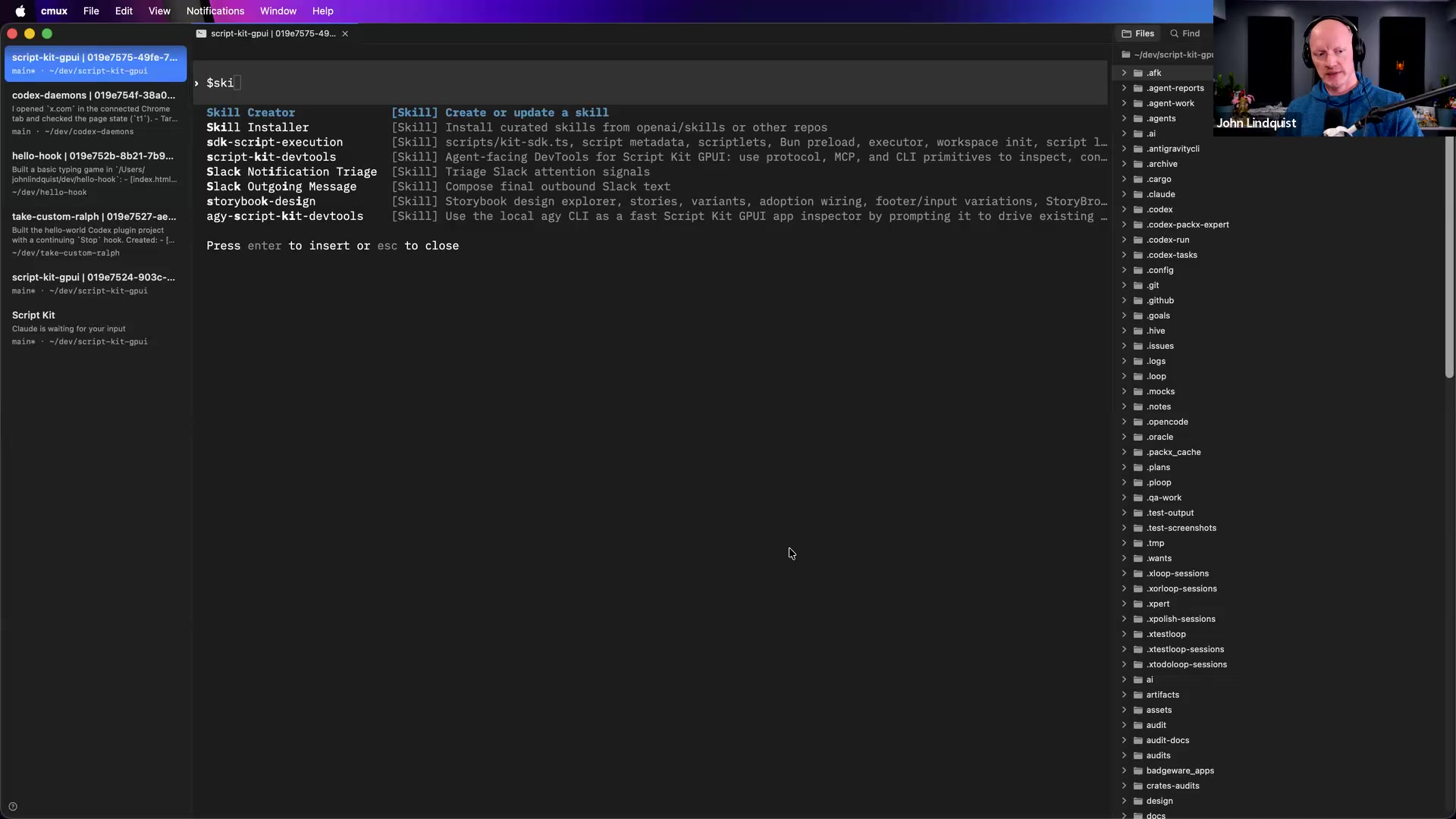
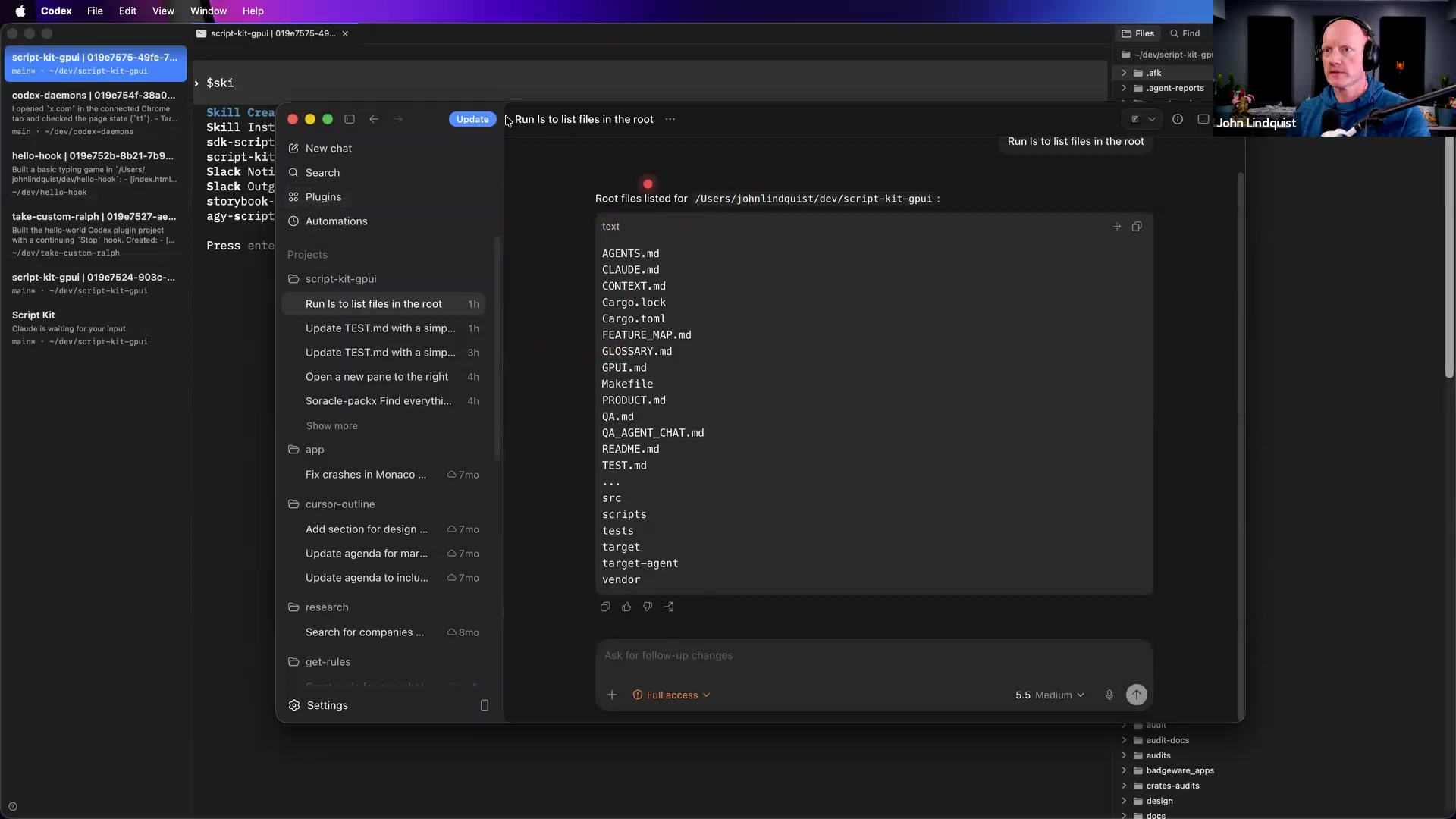
Screens captured from this part of the workshop — click any to open full size.
Questions from the room
Did you show a goal example for the PACX? I think I will convert from my test to QA packages that are stable.rosa
John verifies that a working example of the PackX tool execution skill was compiled inside the Oracle system harness configuration, and advises scrolling back to the footage from the beginning of the morning session to track its initial execution step-by-step (evidence_source: transcript).
To followup what you said before, in general for others in how they can become ai literate but also live in a new world with ai and find their new role with intelligence, you mentioned going camping..., do you have general questions you get from others, and answers to those bigger questions?Tyler Newman
John notes he intentionally avoids these debates with individuals who aren't deeply immersed in active agent implementation, as realistic timelines can sound alarming. He remarks on the communication barrier with traditional fields, mentioning how hard it can be to discuss AI workflows with his father, an English professor. He emphasizes that a human's core strength is rapid, practical structural adaptation rather than static job preservation (evidence_source: transcript).
Ya that was my question — use ai to go deeper in the domain we have mastered or use it to learn new skills and go wide. I see arguments for both.rosa
John addresses this across the chunk by suggesting that real optimization lies in using agents to rapidly span broad domain boundaries ("go wide"), while selecting distinct low-level systemic execution areas to remain extreme experts (evidence_source: transcript).
Can you scare us? give us your thoughts on disruptions? speculate? for businesses, for developers?Tyler Newman
John sketches out three disruptive focus points:Hardware Evolution: The introduction of capable domestic automation robotics (like laundry and care robots) will transform quality of life faster than most people realize.The Death of Privacy: Ubiquitous household microphones and data channels will erase remaining presumptions of digital or physical privacy.Social Engineering Biohacking: Influencers could use dedicated AI agents to steer audiences toward personalized routines or chemical dependency loops (like proprietary peptide formulas) via highly tailored media streams (evidence_source: transcript).
You hit this earlier but any final thoughts on this new normal where a project turns into 30k lines of code over night. How to manage that complexity (high level thoughts)rosa
John details a two-tier architectural defense: isolate software logic into highly distinct modules and route core flow through state machines. If these twin guardrails remain cleanly documented in understandable English, the underlying bulk of the code becomes swappable; a developer can pass the state machine configuration to an agent to reconstruct missing chunks reliably (evidence_source: transcript).
Do you use agents.md or claude.md, guardrails.md...? don't do this... tool usage specificity... etcTyler Newman
John builds out files like agents.md or Claude.md, using built-in system hooks like Claude's /init macro or automating file creation directly inside Codex. He often maps them together via local file system symlinks. He notes he avoids rigid rules for these documents, letting them adapt as real execution errors happen so the agent preserves context dynamically (evidence_source: transcript).
How much time should a junior engineer invest in learning a programming language? [...] How should a senior invest in advancing their skills and programming language ecosystem?Tyler Newman
John explains that the traditional identity of a framework engineer (e.g., an "AngularJS developer") is disappearing. He divides the upcoming landscape into low-level performance experts (focusing on custom browser rendering, memory safety, hardware optimization, and network scaling) and holistic project creators who coordinate agent workers via natural language profiles (evidence_source: transcript).
Is it the facebook backlog or the episodelist of black mirror?Jan
Not directly answered as a standalone question; it is part of the surrounding disruption/social-engineering discussion.
Are you familiar with actor model? relates to your state machine commentTyler Newman
Not directly answered as a separate item; adjacent answer discusses state machines and isolated modules for complexity management.