Lesson 2 of 11 · 00:30:26 → 00:53:29
Command Your Terminal Like an Orchestra
Run a manager agent that spins up worker panes from plain English.
What you'll learn
- Adopt an agent-first mindset and the manager-worker topology
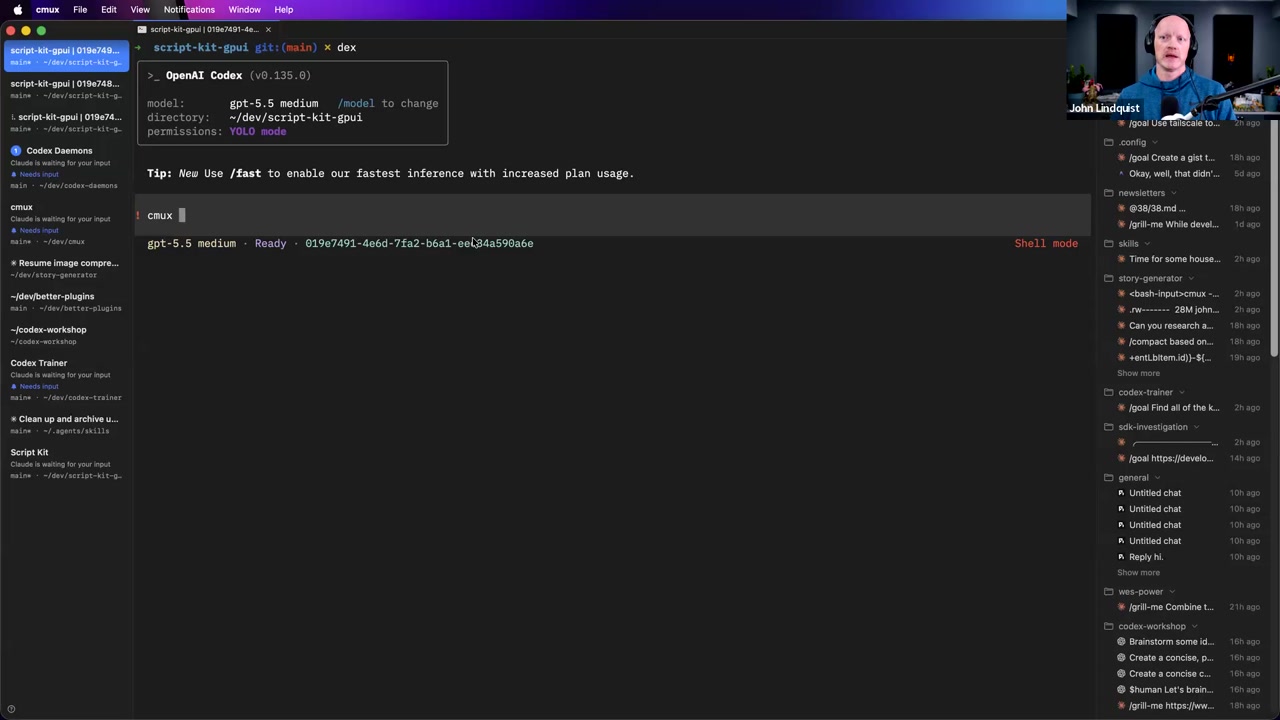
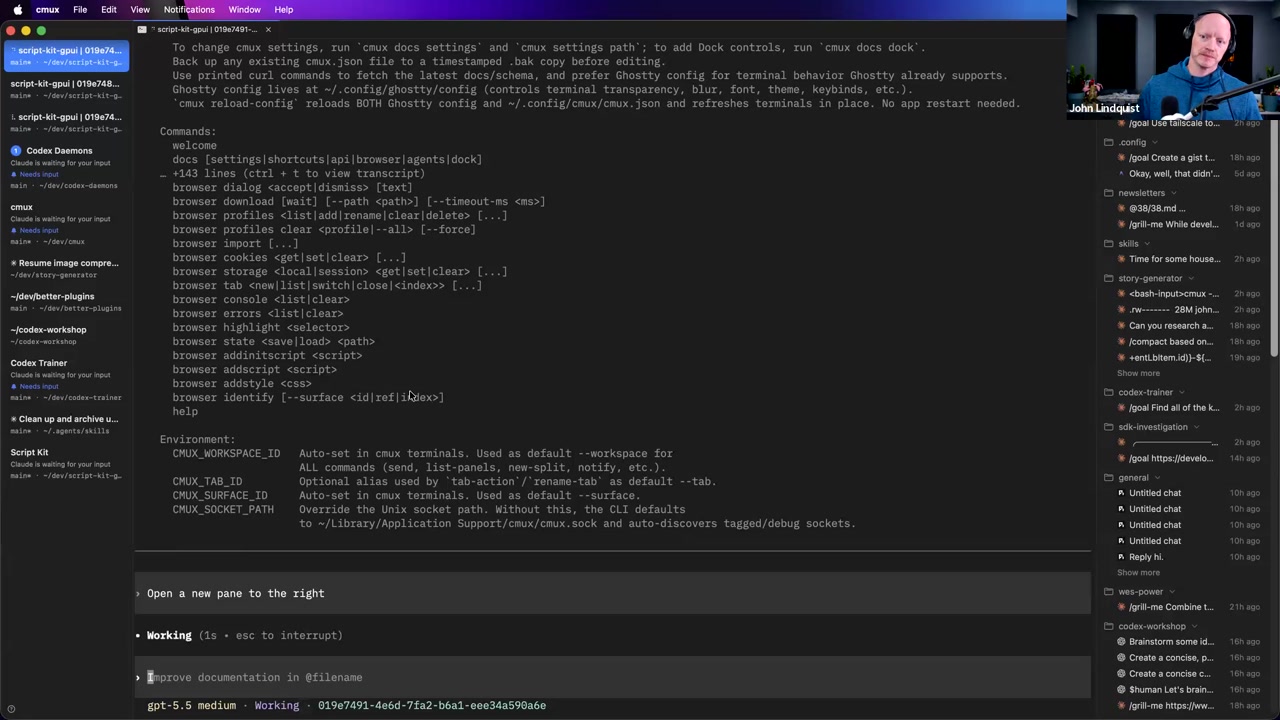
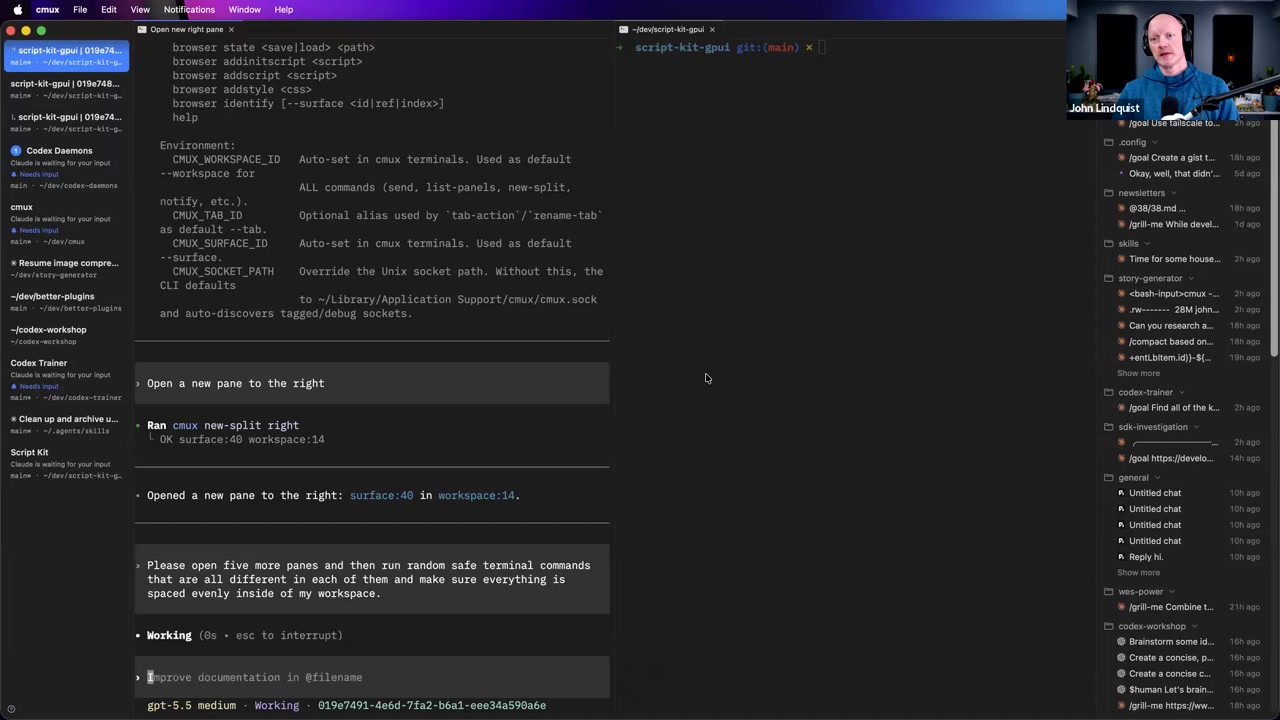
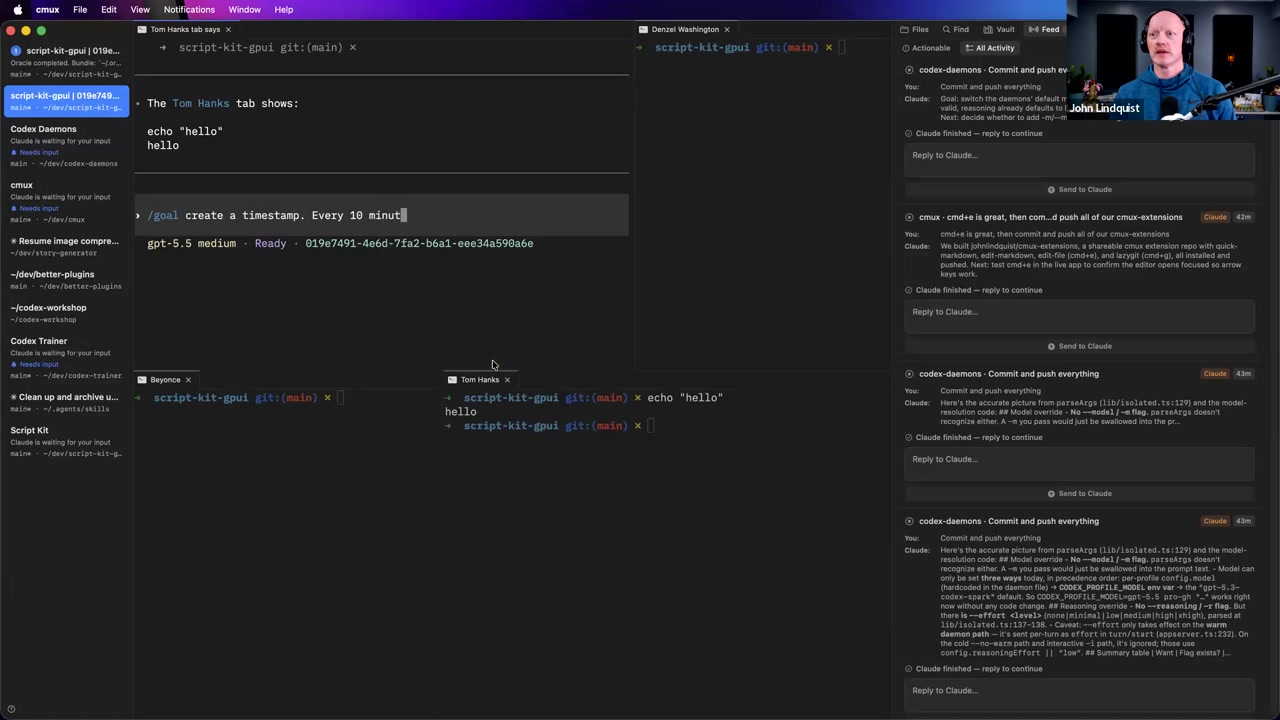
- Drive CMUX terminal layouts with natural language
- Set up AFK automation loops that keep working while you don't
In a nutshell
Run a manager agent that spins up worker panes from plain English.
A richer, curated recap and references for this lesson are being prepared.
Key concepts
Agent-First Software Design
The Manager-Worker Topology
Natural Language Layout Control
Cross-Pane Terminal Context Reading
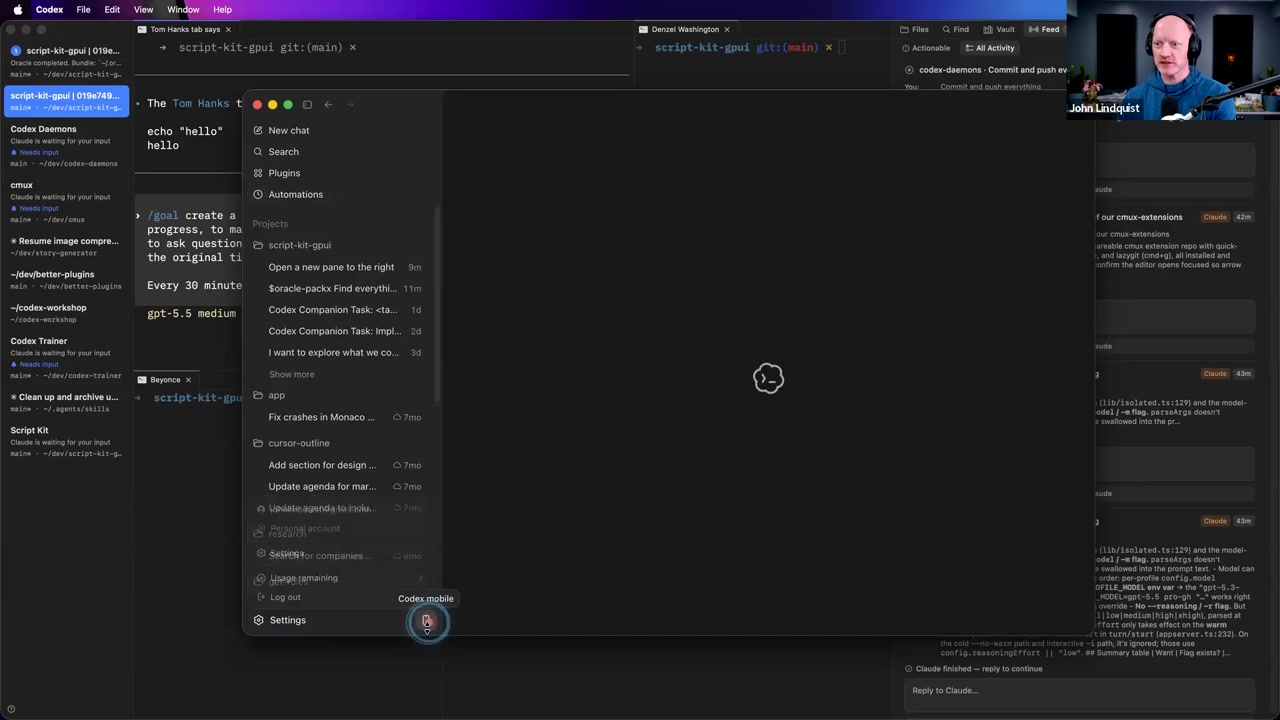
AFK Automation Loops
Make it stick
Interactive exercises, a quiz, and hands-on challenges for this lesson are being prepared.
Moments worth pausing on
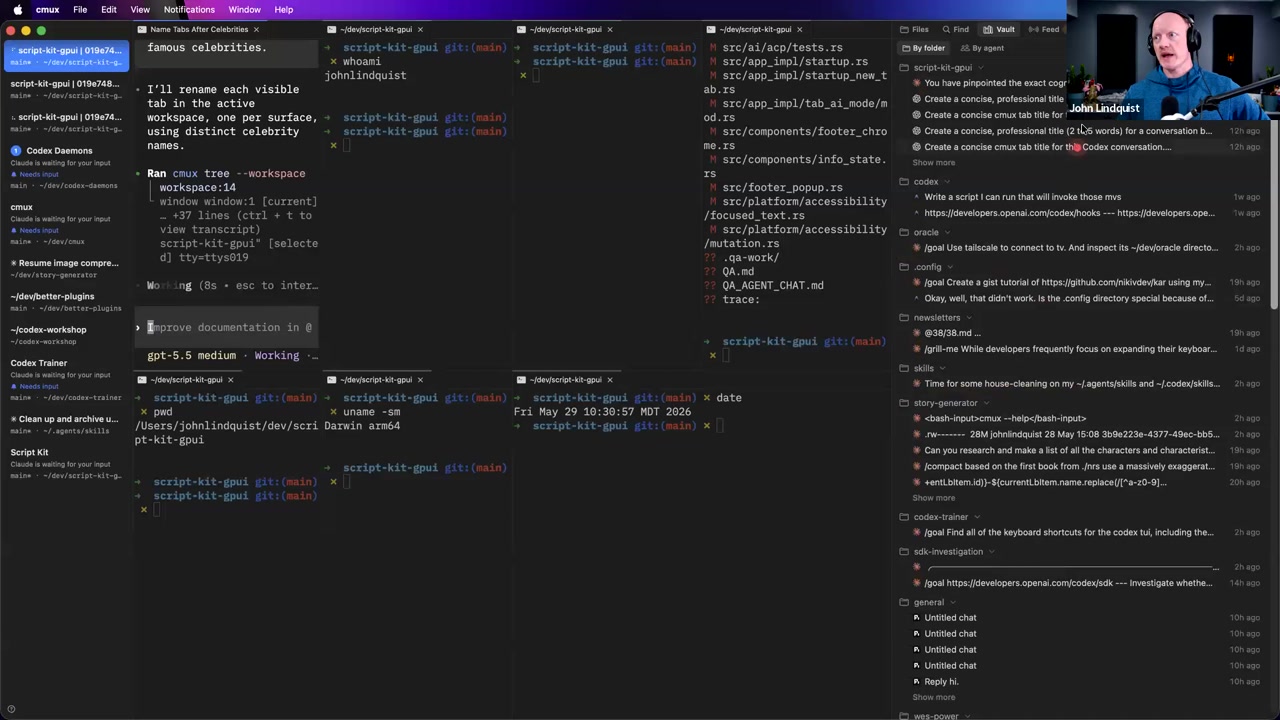
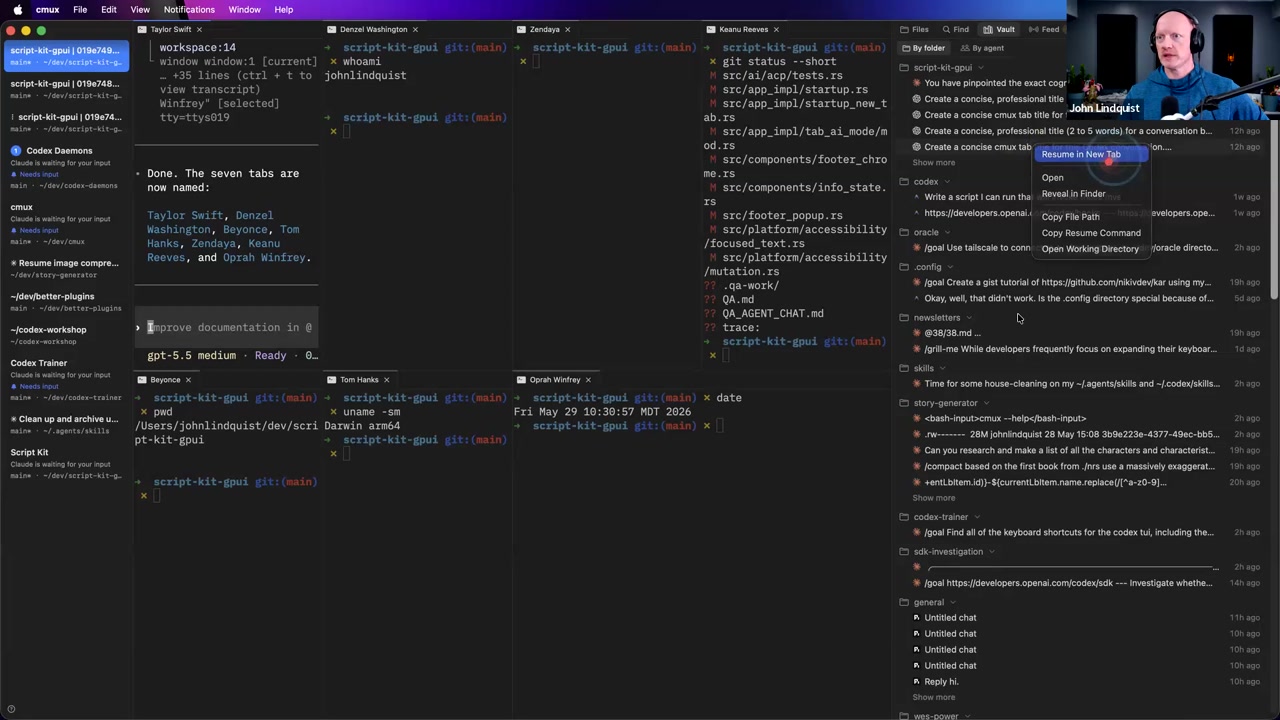
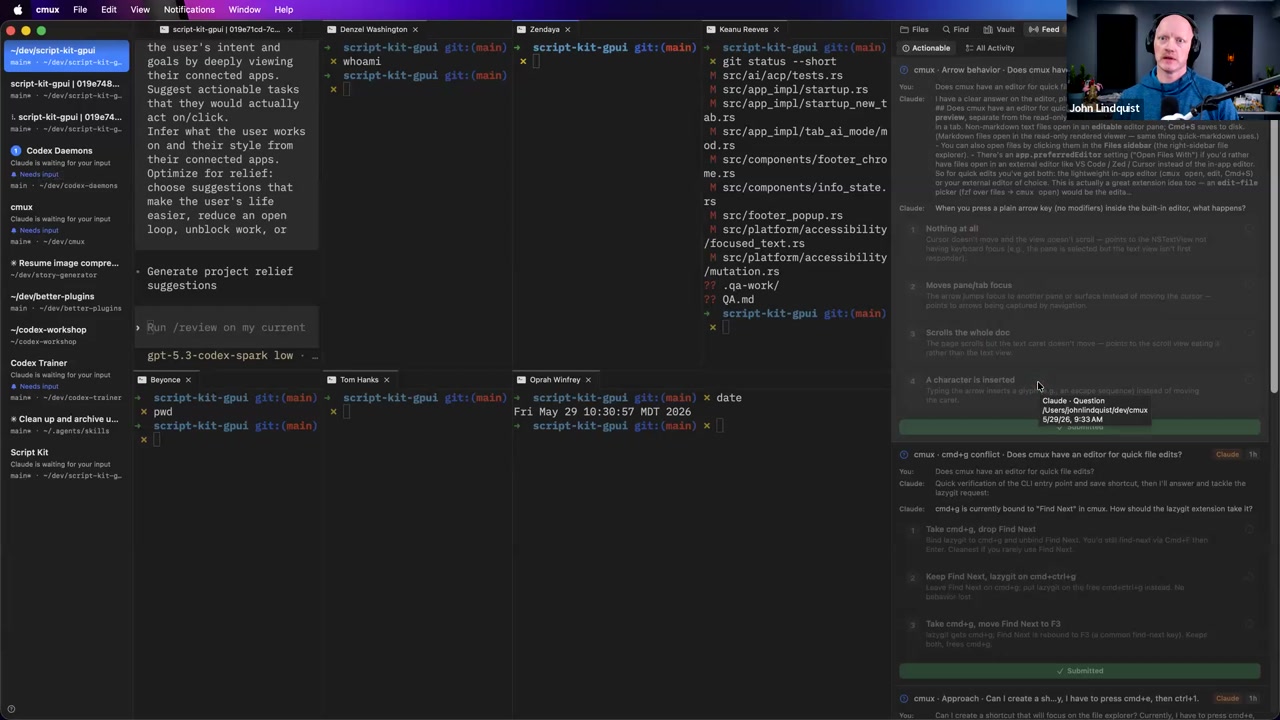
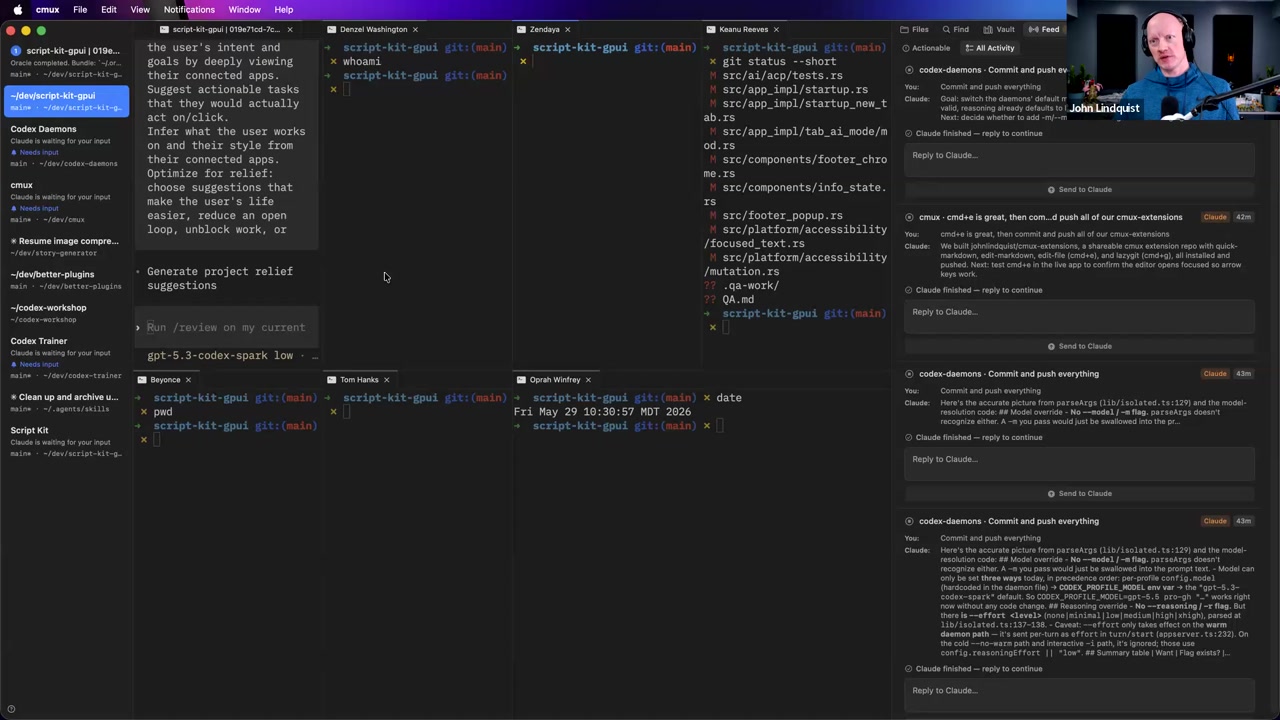
Screens captured from this part of the workshop — click any to open full size.
Questions from the room
What’s cmux? Is it like Warp, but less commercial?Andrey Grunev
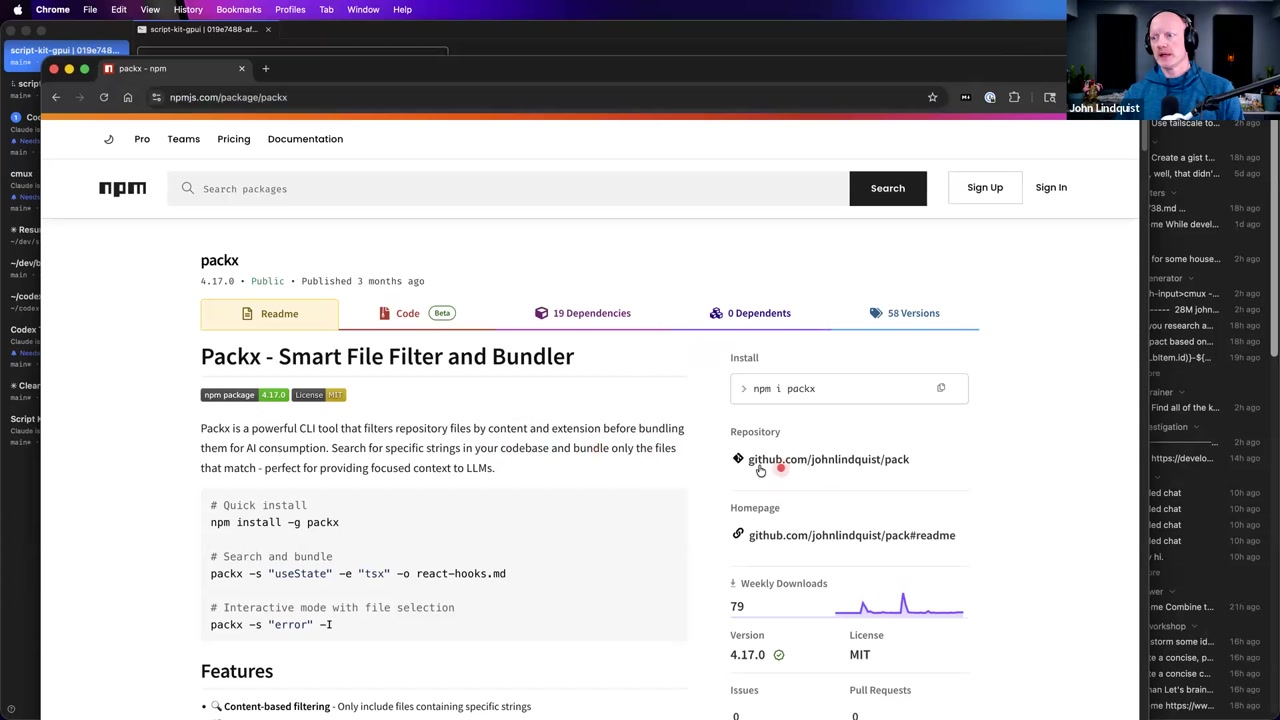
An open-source, agent-first terminal multiplexer tool. It focuses on providing structural APIs and CLI endpoints that allow background autonomous models to freely control window positioning, manage context structures, and drive active command operations.
Would you recommend this to a heavily invested tmux user?Yaniv Keinan
Yes, but with caveats. CMUX currently lacks some of the robust persistent remote-session features found in traditional Tmux architectures. It is highly optimized for local, agent-orchestrated loops, meaning pure remote workflow users may encounter friction.
do we have alternative for windowsKajan Mohanagandhirasa
Zellij operates effectively on Windows nodes and natively supports direct agent control integration features.
How do you get vault? I missed itCreeland Provinsal
Press Cmd+Alt+B to display the right-hand utility sidebar. From there, navigate between Files, Find, and Vault categories using numerical shortcuts 1, 2, and 3.
Do you need your projects structured a certain way so cmux can run multiple sessions without causing issues with agents stepping on toes?rosa
Isolate running server processes cleanly behind the individual terminal tabs that actively consume them. Because CMUX manages distinct windows independently, models can run safely in parallel and can programmatically read across sibling history buffers to check on processing states without corrupting cross-project environments.
Have ways in which you manage to move from one to the other, or you fork, or you come back. And then maybe a follow-up question is, I saw you post something about one agent controlling another agent through... a graphical, or for browser, accessibility controls, and I'm just curious if you have any... of these other ways in which you manage between agents?Tyler Newman
John relies on the manual 'codex fork' option to branch conversations from selected history checkpoints. He uses a Manager-Worker Pattern: a single primary terminal pane is his designated 'Manager' (his sole point of interaction), and that manager model script handles splitting sub-panes to deploy worker agents. For browser environments, toolsets leverage accessibility tree paths to parse content, but within CMUX, the native command-line interface endpoints are fast and descriptive enough that parsing raw accessibility trees isn't necessary.
Codex implement /tree when?Zac Jones
Unanswered/Deferred. John does not address this question directly in the transcript; during this window, he is answering a verbal question from Tyler Newman regarding agent handoffs and manager topologies. The nearest tool comparison occurs at [00:45:55] where John discusses wanting Claude Code's cron scheduling features inside Codex.