Lesson 8 of 11 · 03:33:48 → 03:57:36
Self-Improving Loops & Deterministic Gates
Let agents read their own logs, fix themselves, and pass hard gates.
What you'll learn
- Extract terminal pane text in CMUX as machine-readable context
- Build self-improvement error loops behind log-based deterministic gates
- Define natural-language contract boundaries and prune context
In a nutshell
Let agents read their own logs, fix themselves, and pass hard gates.
A richer, curated recap and references for this lesson are being prepared.
Key concepts
CMUX Text Mode Pane Extraction
Self-Improvement Error Loop
Log-Based Deterministic Gates
Natural Language Contract Boundaries
Context Pruning
Thread Warm-Up Low-Latency Pattern
Make it stick
Interactive exercises, a quiz, and hands-on challenges for this lesson are being prepared.
Moments worth pausing on
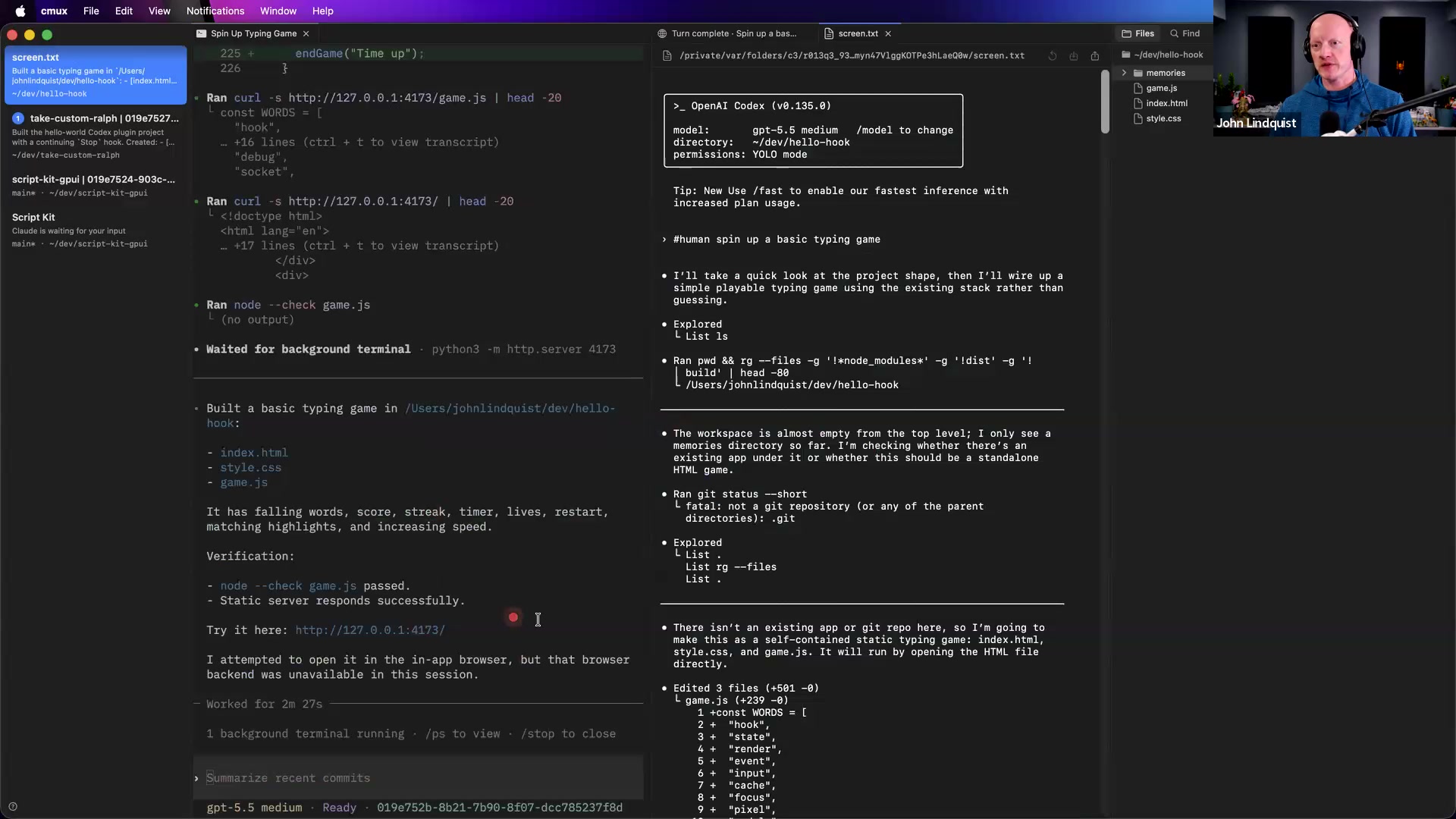
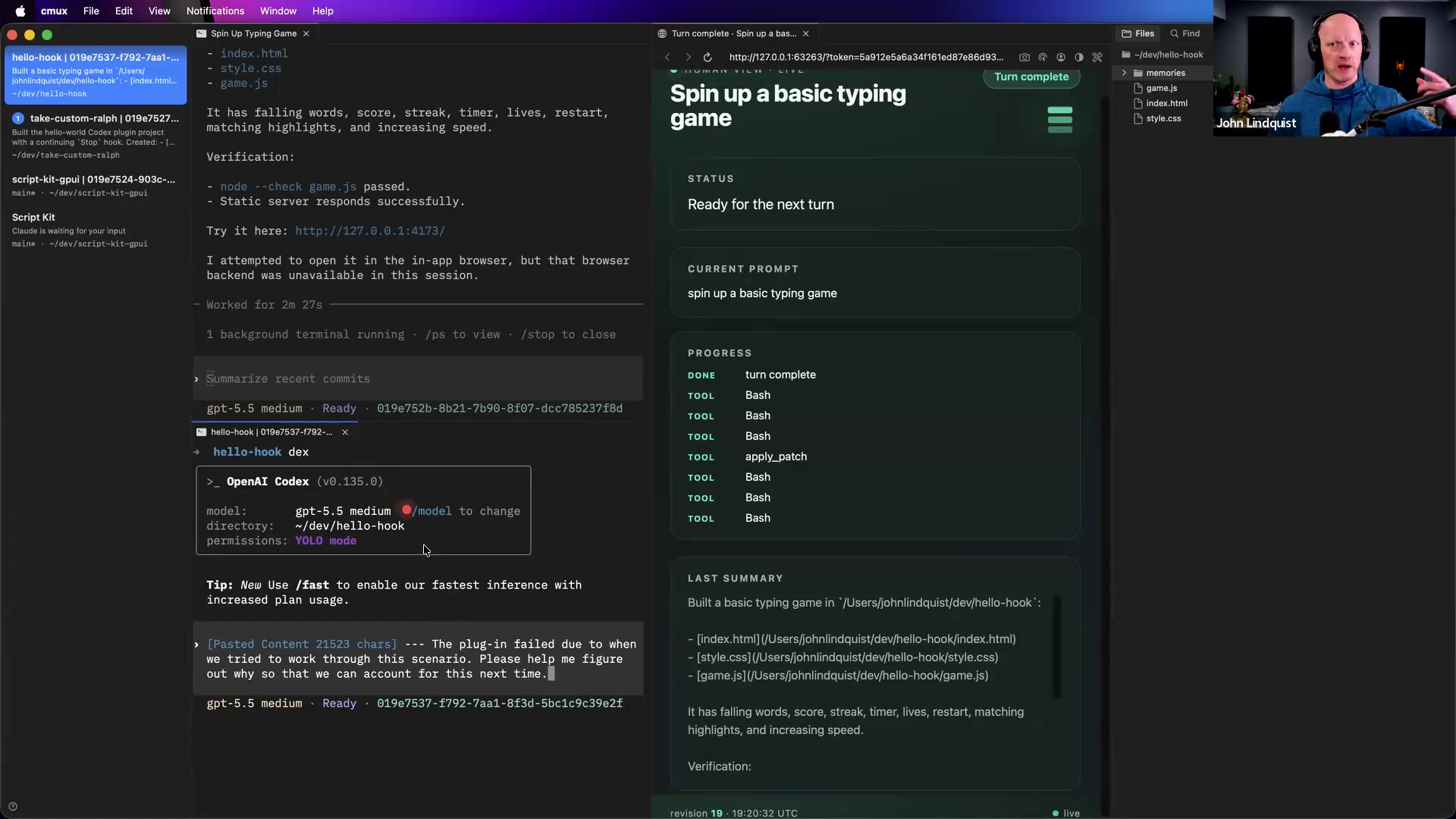
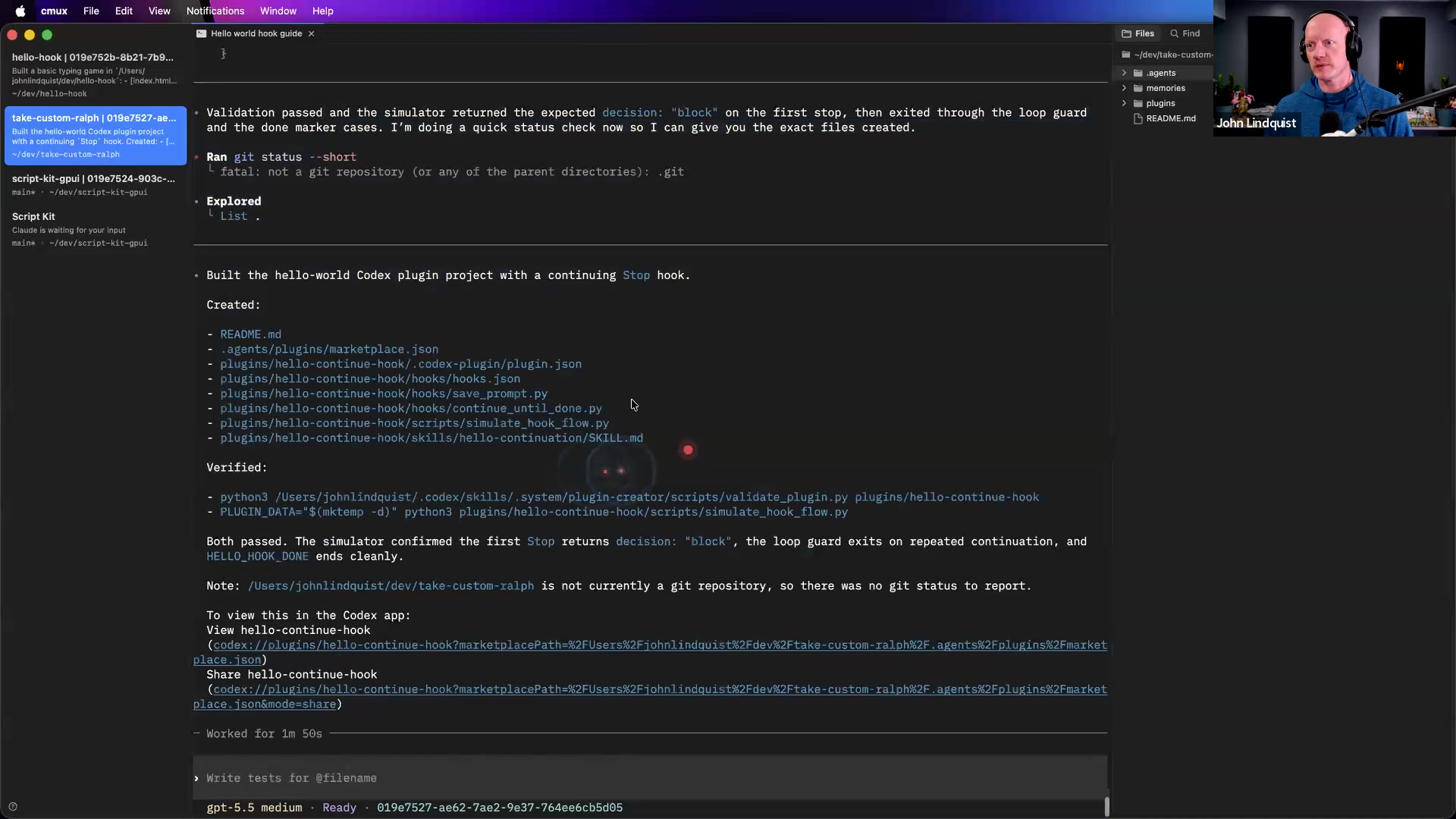
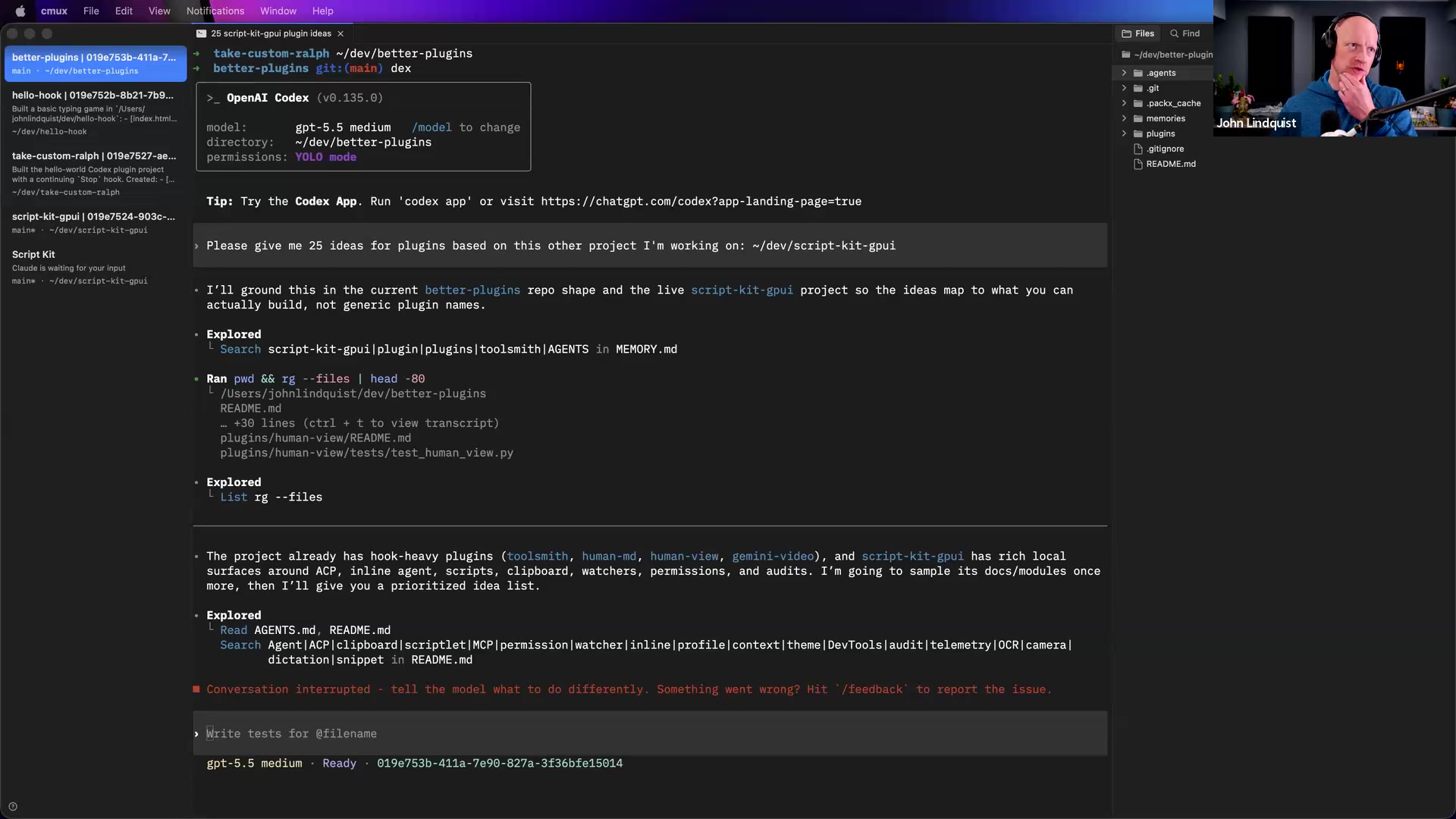
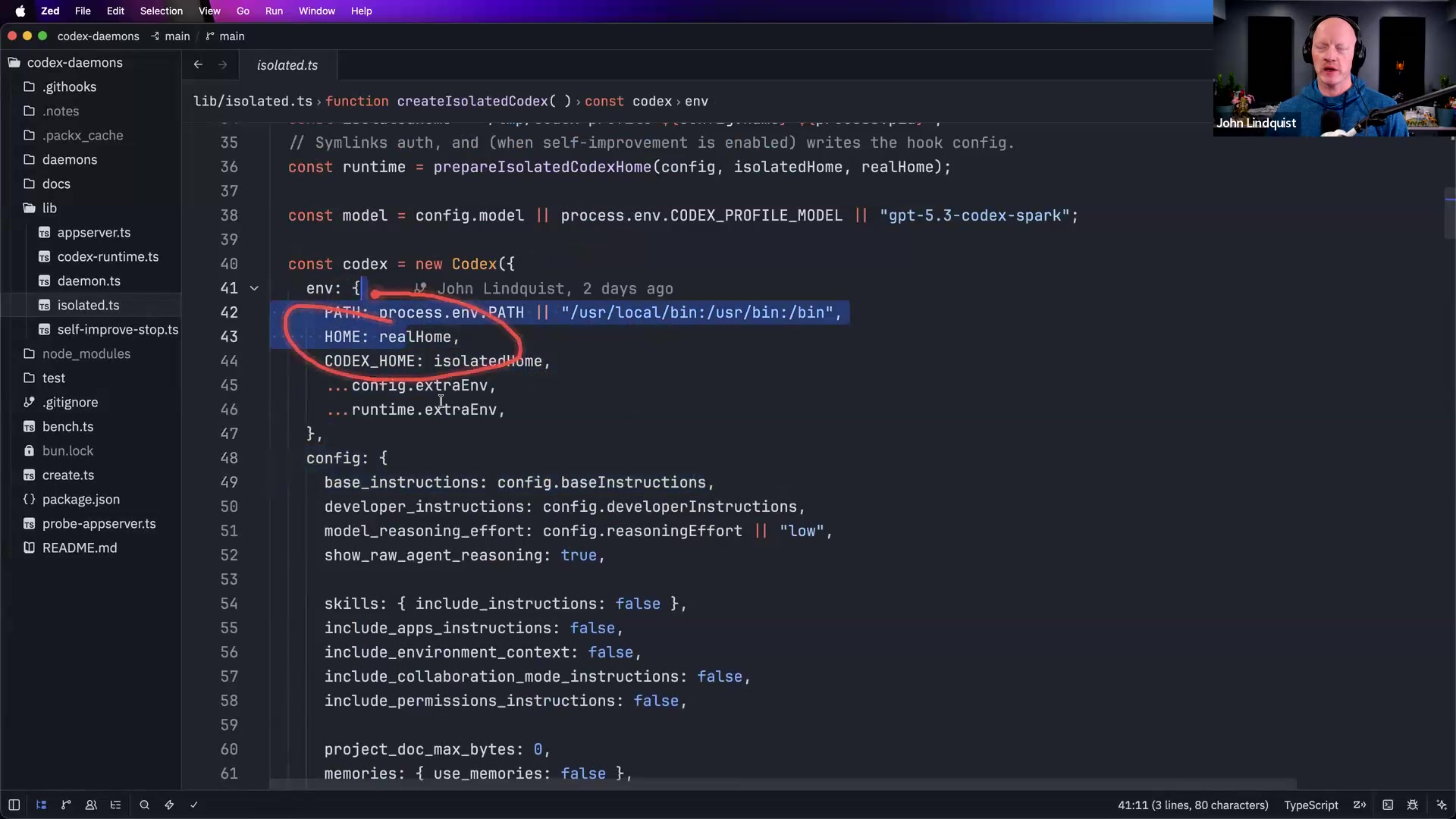
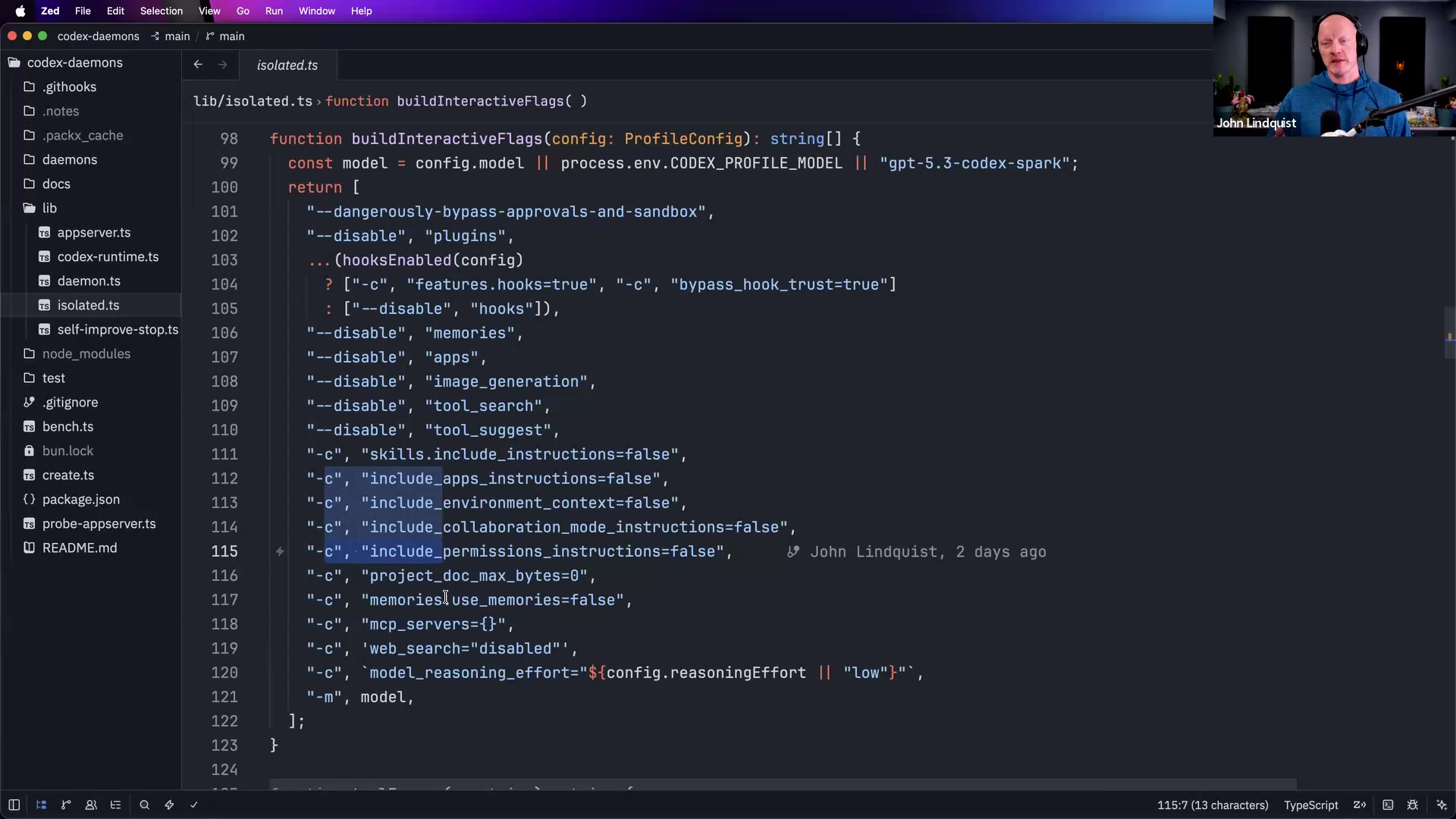
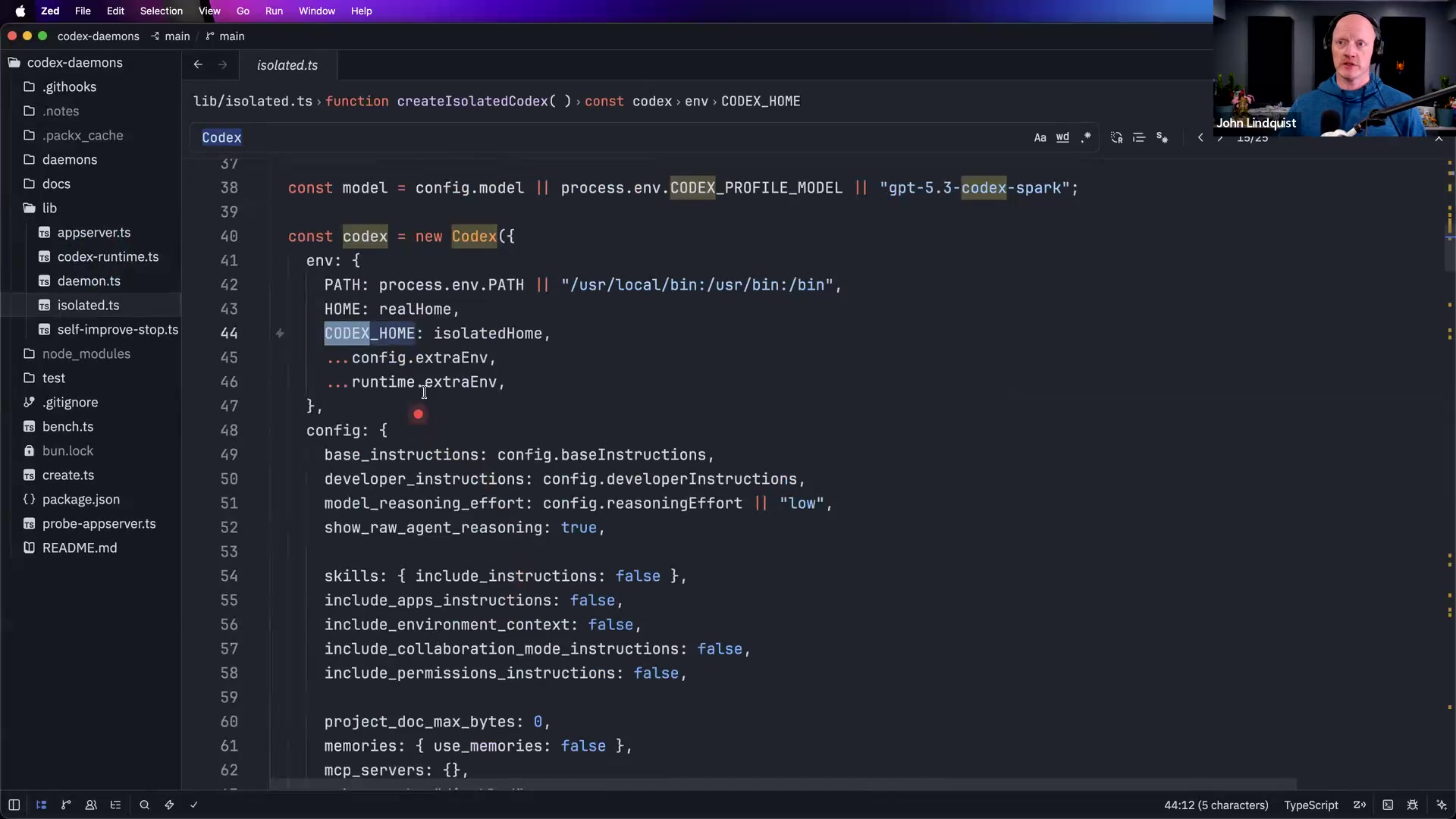
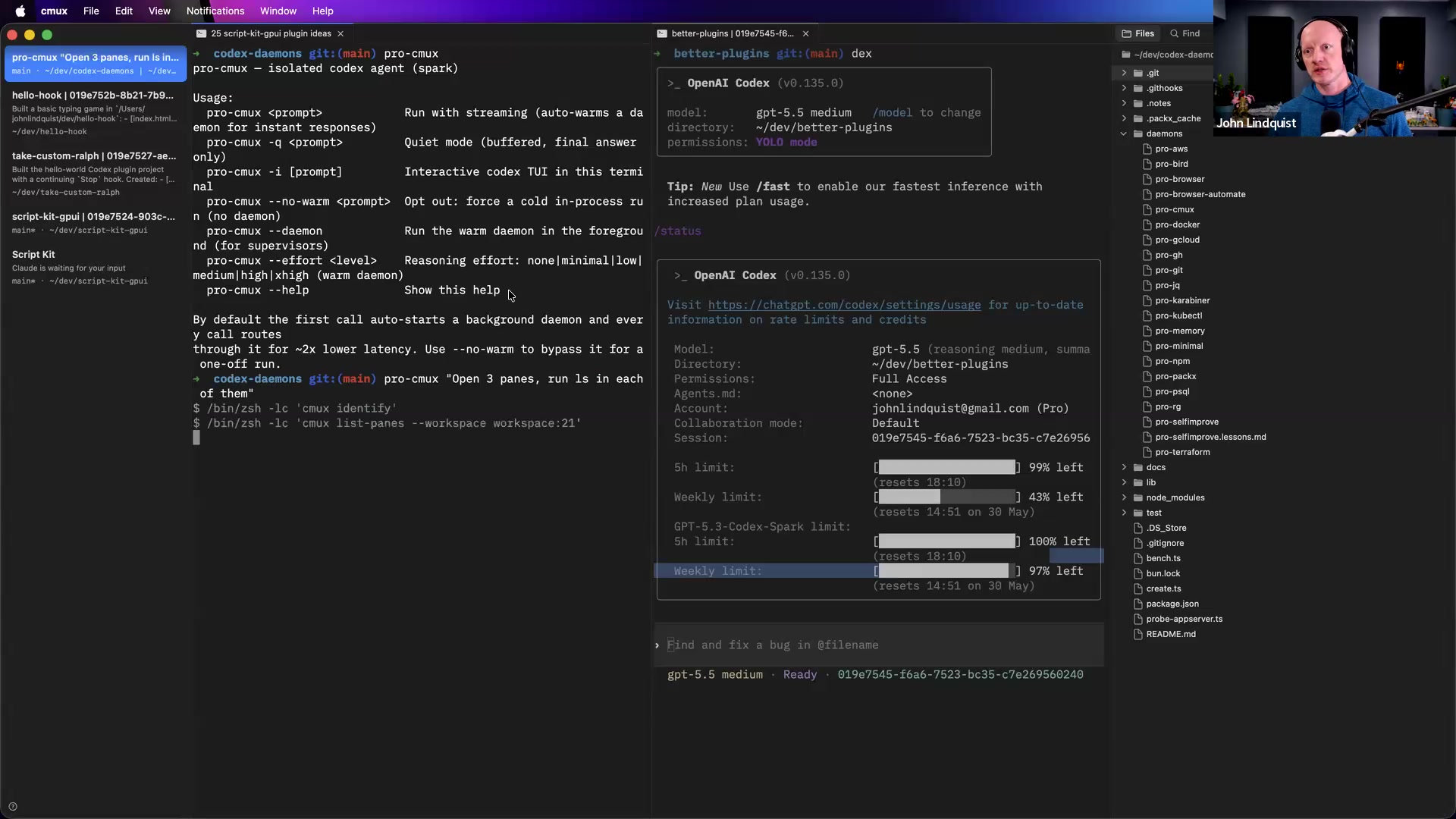
Screens captured from this part of the workshop — click any to open full size.
Questions from the room
How do you make the verify half of a fix-verify loop something you enforce, not something the agent just claims it did? When an agent fixes a bug, what's the deterministic gate that proves it's fixed + didn't regress?Yaniv Keinan
John recommends relying on structured logs written directly to disk. These files act as multi-agent-readable verification artifacts that track data shapes and API timing signatures. A supervisor agent can run parallel worker blocks, wait for completion, and compare files to programmatically confirm structural success without trusting the worker agent's natural language updates.
you use the word boundaries a few times, seems like you have a visual conceptual meta-framework to think about how to control and steer and keep tools and agents and plugins scoped properly, can you speak to this, your way of thinking?Tyler Newman
John advises against loading too many marketplace tools into a single agent context. His approach uses a highly context-aware master orchestrator that manages project goals alongside hyper-isolated sub-agents running small token footprints. This forms natural language contract boundaries across layers, mimicking decoupled microservice modules.